UK households faced a renewed rise in grocery bills in February, ending four consecutive months of easing food inflation.
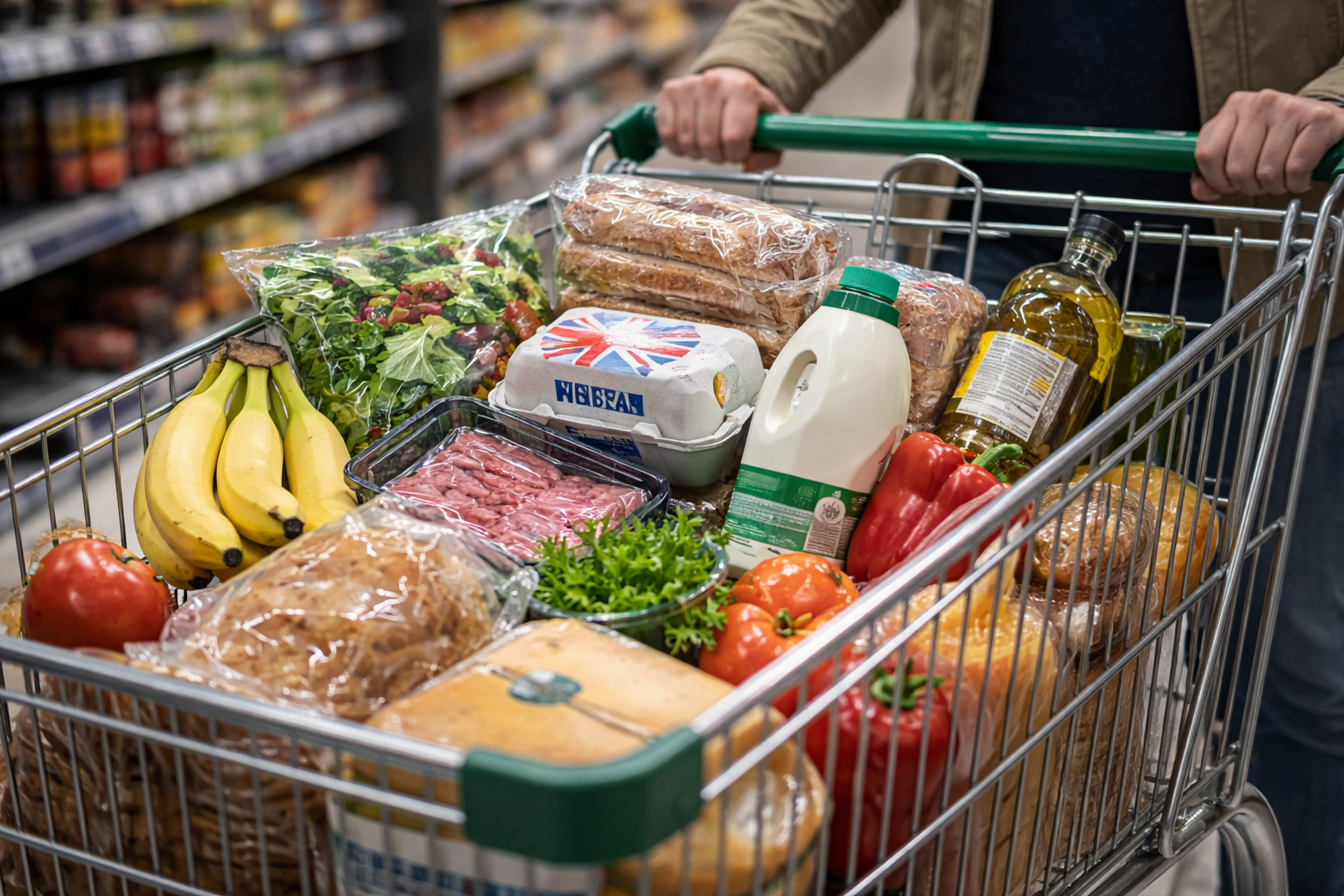
Data from Worldpanel by Numerator showed grocery price inflation climbed to 4.3% in the four weeks to 22 February.
That marked an increase from 4% in January.
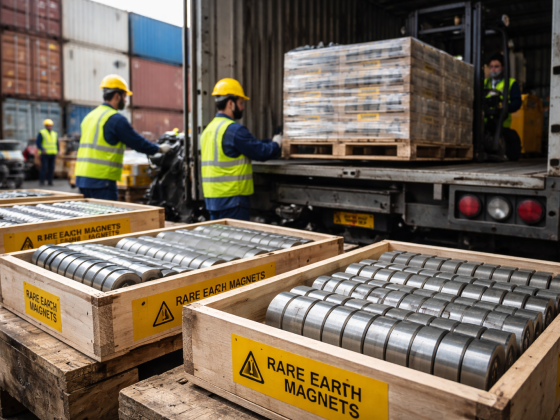
Economists have warned that a prolonged Iran conflict could disrupt supplies from the region, adding fresh pressure to inflation and weighing on economic output across Europe and the UK.
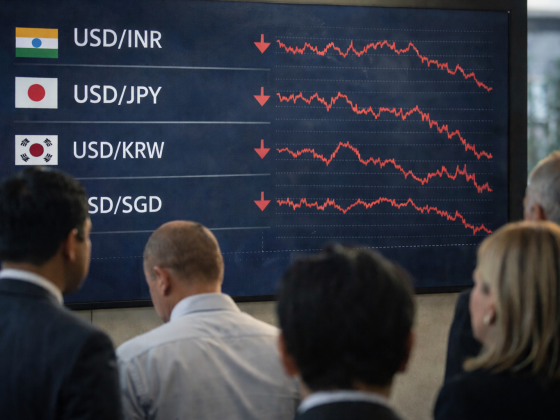
In an interview with the Financial Times, European Central Bank chief economist Philip Lane said higher energy prices would place upward pressure on inflation in the near term and weigh on growth.
The impact would not be limited to the eurozone, with similar effects expected in the UK.
Seasonal spending patterns
Despite tighter budgets, shoppers increased spending around key February events.
In the seven days leading up to Shrove Tuesday, sales of pre-made pancake mixes rose 114% compared with the previous week.
Consumers who prepared batter from scratch paid 42p more than a year earlier, nearly 6% higher, as the cost of core ingredients reached £7.77.
Demand for baking staples surged.
Flour sales increased by 34%, sugar rose 17%, and lemons jumped 70% over the same period.
Valentine’s Day also drove last-minute spending.
Almost 12% of households bought a premium meal deal on Friday night alone.
Steak purchases peaked on Friday and on Valentine’s Day itself, while that Friday was also the single biggest day for Valentine’s chocolate sales.
Consumers spent £39 million on dine-in meal deals priced at £10 or more in the week leading up to Valentine’s Day.
That was seven times higher than the previous week, indicating a willingness to trade up for special occasions.
Online shift accelerates
Online grocery shopping continued to expand.
Internet sales rose 9.7% year on year over the four weeks, with more than 18 million orders placed.
Online transactions accounted for 13% of total grocery sales, the highest share since July 2021.
Affluent families in London and the south-east of England remain the most frequent online shoppers.
However, the channel is attracting a broader mix of households as convenience becomes a stronger driver of purchasing decisions.
Market share movements
Competition among retailers remains intense.
Ocado was the fastest-growing grocer over the 12 weeks to 22 February, recording sales growth of 15.1% and reaching a 2.1% market share.
Lidl posted double-digit growth for the 12th consecutive month, with sales up 10% and market share at 7.8%.
Tesco increased sales by 4.5%, lifting its market share to 28.5%. Sainsbury’s raised sales by 5.2% and expanded its share to 16.1%.
Waitrose, part of the John Lewis Partnership, recorded its strongest growth rate since March 2021, with sales up 5.6% and market share reaching 4.8%, a three-year high.
Asda reported a 2.6% fall in sales compared with a year earlier. Co-op also saw sales decline, down 1.6%.
The post UK grocery inflation rises as seasonal spending jumps appeared first on Invezz