Britain has had six prime ministers in under a decade, yet financial markets have grown remarkably unfazed by the political churn.
Does that mean investors have become desensitised to Westminster, or are deeper structural problems holding the UK back?
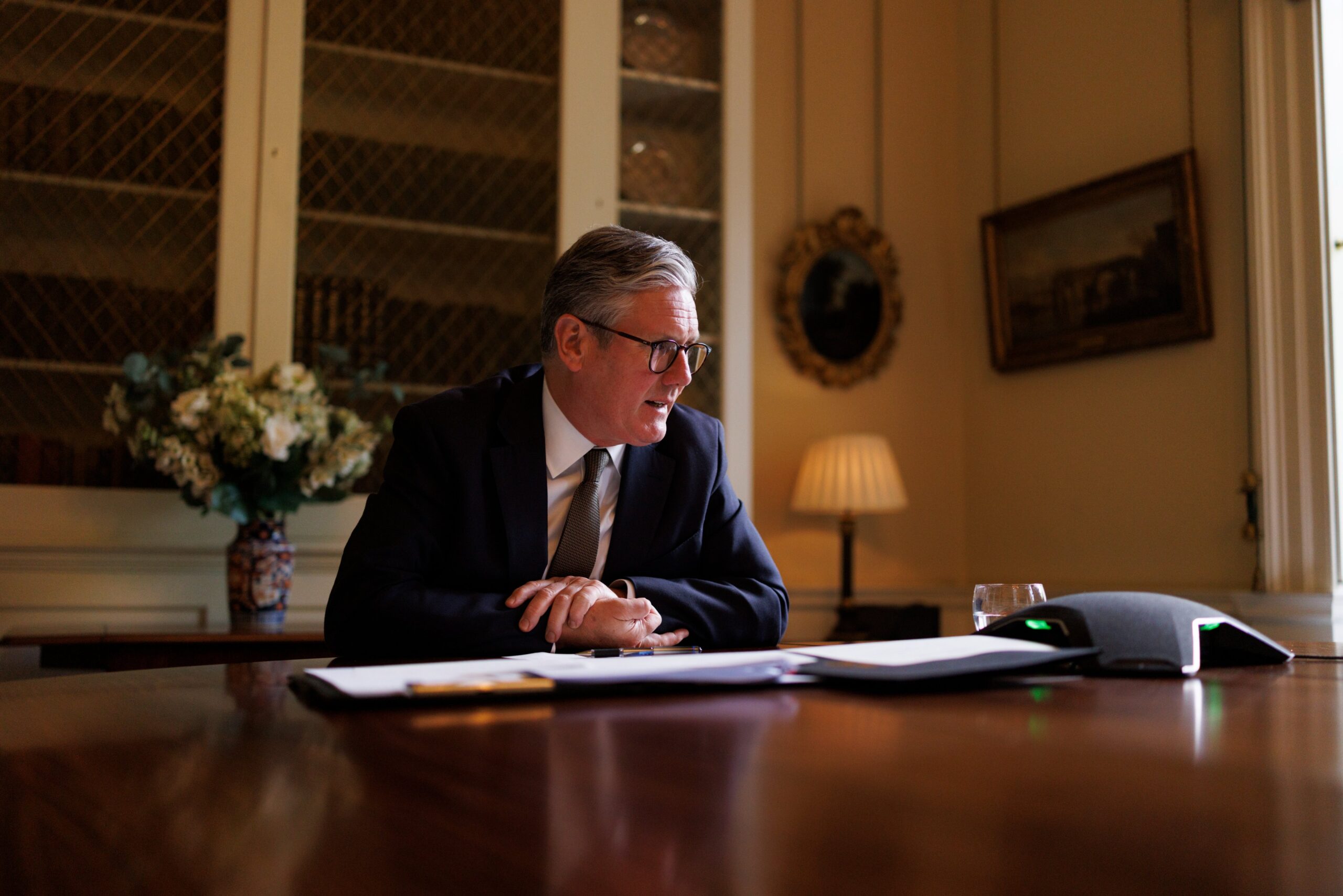
That was the central question in the latest episode of Invezz Zero Sum, where our Lead News Editor Harsh Vardhan spoke with David Morrison, Senior Market Analyst at Trade Nation, about Britain’s political stability, investment climate, and long-term economic competitiveness.
Investors fear uncertainty more than politics
While leadership changes dominate headlines, Morrison argued that policy uncertainty—not politics itself—is what concerns investors most.
Referring to repeated attempts to blame previous governments for today’s problems, Morrison said investors eventually shift their focus from political narratives to policy clarity.
“People don’t want to hear that anymore.”
Businesses planning long-term investments want confidence that taxation, regulation, and the broader operating environment won’t change dramatically every few years.
As he put it, “It’s just more and more uncertainty.”
Why markets barely reacted
One of the discussion’s biggest surprises was how little the UK markets responded to the latest political upheaval.
According to Morrison, that’s largely because the FTSE 100 is dominated by multinational companies that generate most of their revenues overseas.
“The FTSE 100 is basically an index of multinationals for the most part. So what goes on here doesn’t really affect them.”
Instead, sterling remains a more direct reflection of investor confidence in Britain’s domestic outlook, while mid-cap companies are generally more exposed to shifts in UK policy.
Britain’s competitiveness remains the bigger question
The conversation also explored whether Britain risks falling behind in the global race for technology and AI investment.
Morrison argued that the country continues to produce world-class ideas and entrepreneurs, but too often struggles to help them scale.
“The UK doesn’t provide the best environment for them to nurture ideas, construct something, and then take it forward.”
High energy costs, regulation, and an uncertain business environment continue to encourage many startups to expand elsewhere, particularly in the United States.
Gold, sterling, and AI
The episode concludes with Morrison’s latest market outlook.
He said he is becoming increasingly bullish on gold and silver after a prolonged correction, remains cautious on the British pound, and believes AI’s biggest long-term wildcard may lie in its ability to transform the energy sector rather than financial markets alone.
From politics and markets to technology and macroeconomics, the conversation offers a broader perspective on the forces shaping Britain’s economic future—and what they mean for investors.
Watch the full episode of Zero Sum for the complete discussion, and subscribe for more conversations on markets, money, and geopolitics.
The post Is UK falling behind amid political uncertainty? Zero Sum finds out appeared first on Invezz